

Broadcast playout is the process that takes prepared television or media content and delivers it as a scheduled, continuous channel output. For broadcasters, governments, telecoms operators and media networks, it is one of the most important parts of the broadcast chain because it controls what goes on air, when it goes on air, how it is branded, and how reliably it reaches viewers. A channel may have strong content, but without dependable broadcast playout, that content cannot be delivered with the timing, structure and technical consistency that professional media operations require.
In modern African broadcast environments, playout is no longer only a room with servers and operators controlling a single linear channel. It can include automation, ingest, scheduling, graphics, branding, media asset management, channel origination, monitoring and delivery into TV, satellite, DTT, OTT and IPTV workflows. AUCOM supports this environment through Production & Playout solutions designed for professional broadcast and telecommunications operations.

What Broadcast Playout Does in a Media Network
At its core, broadcast playout controls the final sequence of content before distribution. This includes programmes, adverts, promos, live segments, channel branding, emergency messages and sometimes regional content variations. The system follows a playlist or schedule and sends the correct media to the correct output chain at the correct time.
For a television broadcaster, playout is closely connected to master control and channel origination. For an OTT or IPTV operator, it may feed linear streaming channels and multi-screen platforms. For a satellite or DTT platform, it may prepare channels for further encoding, multiplexing and transmission. In all cases, the purpose is the same: to keep channel delivery organised, timed, compliant and stable.
Why Playout Reliability Matters
Playout failures are visible immediately. A missing file, incorrect ad break, audio problem, frozen output or schedule error can affect the viewer experience and damage trust in the channel. For public broadcasters, this can interrupt news, education, emergency communication or national programming. For commercial broadcasters, it can affect advertising delivery, sponsorship obligations and audience retention.
This is why broadcast playout should be planned as operational infrastructure, not just software. A professional system needs redundancy, monitoring, clear workflows, accurate metadata, storage planning, trained operators and support procedures. Manual work still has a place, but critical channel delivery should not depend only on people noticing problems after they have reached viewers.
The Main Components of a Playout Environment
A professional playout environment usually includes an automation system, media servers, storage, ingest tools, traffic and scheduling integration, graphics, subtitling or captioning support, audio control, monitoring and logging. Some systems are built as separate components. Others are integrated channel-in-a-box or software-defined systems that combine several functions into one platform.
Media asset management is also important because playout depends on the correct content being available before transmission. Files must be named, checked, stored and connected to the schedule. If the media library is disorganised, the playout chain becomes vulnerable to human error, wrong versions and missing content. This is why playout planning should include operational workflow design, not only technical installation.
Automation Reduces Risk in Channel Delivery
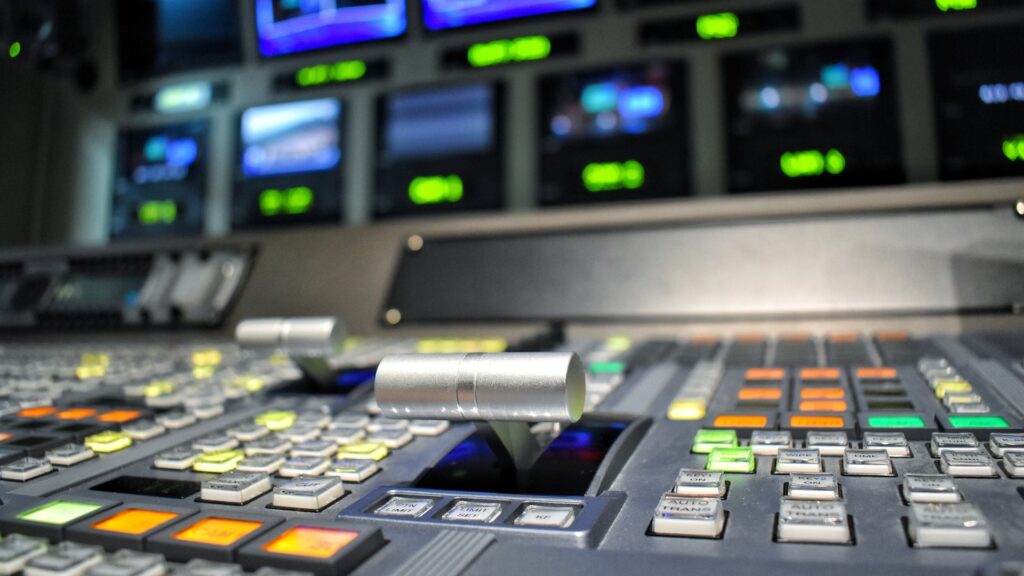
Automation is central to modern broadcast playout. It allows scheduled events to run with consistent timing and reduces dependence on repetitive manual tasks. The European Broadcasting Union notes that automation helps broadcasters move towards all-IT operations and can free teams from error-prone manual work while giving more flexibility in how processes run, including on-premise and cloud environments. This is directly relevant to broadcasters that need stable channel output while modernising their technical workflows.
Automation does not remove the need for skilled staff. Instead, it changes the role of the team. Engineers and operators need to manage playlists, monitor exceptions, confirm file readiness, maintain systems and respond when a workflow fails. The best playout environments combine automation with human oversight, clear escalation procedures and proper monitoring.
Why Integration Is as Important as the Playout System
Broadcast playout does not operate alone. It must connect with scheduling, traffic, newsroom systems, storage, graphics, routers, encoding platforms, monitoring tools and distribution networks. If these systems are not integrated correctly, the channel may experience timing issues, missing files, metadata errors or delivery failures.
This is where system integration and testing becomes critical. AUCOM’s integration services include multi-vendor system integration, broadcast systems, headend infrastructure, OTT platforms, testing, validation and commissioning. For broadcasters and platform operators, structured integration reduces the risk of launching a playout system that works in isolation but fails inside the live broadcast chain.
Playout for TV, Satellite and Digital Platforms
Professional playout must now support more than one delivery route. A broadcaster may send the same channel to terrestrial television, satellite distribution, OTT streaming and IPTV platforms. Each route may need different encoding, packaging, timing, rights control, branding or monitoring. This makes playout planning more complex, especially when channels need to serve national, regional or language-based audiences.
For satellite delivery, broadcast playout may feed a DTH head-end before uplink and distribution. For digital platforms, it may feed OTT and IPTV platforms where content is encoded, packaged and delivered across broadband or wireless networks. A strong architecture keeps these outputs coordinated so that the broadcaster can manage content consistently across traditional and digital channels.
Broadcast Playout Planning Checklist
The following table outlines key planning areas that broadcasters and operators should define before deploying or upgrading a playout environment.
| Planning Area | What It Controls | Risk if Ignored |
|---|---|---|
| Automation workflow | Playlist execution, timed events, live breaks and channel continuity. | Schedule errors, missed events and unnecessary manual intervention. |
| Media asset management | File storage, version control, metadata and content readiness. | Missing files, wrong versions and delayed channel preparation. |
| Redundancy | Backup servers, failover paths and continuity during faults. | Channel outages and slow recovery during technical failure. |
| Monitoring | Video, audio, alarms, logs, output health and operator visibility. | Problems may only be noticed after viewers are affected. |
| Distribution integration | Connection to DTT, DTH, OTT, IPTV or other delivery systems. | Unstable handoff between playout and transmission platforms. |
| Support model | Maintenance, fault response, updates, documentation and escalation. | Longer downtime and inconsistent operational performance. |
Standards and File-Based Workflows Matter
Professional playout increasingly depends on file-based workflows. Content may move from production to post-production, quality control, archive, media asset management and final channel delivery. Standards help reduce friction in this process. The Society of Motion Picture and Television Engineers explains that SMPTE ST 2067 Interoperable Master Format is designed to simplify the delivery and storage of audio-visual masters for multiple territories and platforms.
For broadcasters, this matters because channel delivery often involves different programme versions, languages, edits, adverts and platform requirements. The stronger the file and metadata workflow, the easier it becomes to prepare content for playout without unnecessary duplication, rework or version confusion.
Cloud, On-Premise and Hybrid Playout
Broadcasters now have more deployment choices than traditional on-premise playout rooms. Some still require local systems for control, regulation, connectivity or existing workflow reasons. Others use cloud or hybrid models for disaster recovery, pop-up channels, regional feeds or scalable digital channel delivery. The EBU’s work on automation and cloud processes highlights that broadcasters are considering more flexible ways to provision media operations while still managing complexity, security and operational risk through proper monitoring and architecture.
For African networks, the right model depends on connectivity, uptime requirements, skills, budget, platform reach and operational control. A hybrid model may allow a broadcaster to keep primary channel operations on site while using cloud-based resources for backup, additional channels or digital-first services.
Support Keeps Playout Stable After Launch
Playout is a live operational system. Once it is commissioned, it still needs maintenance, monitoring, updates, fault response and documentation. Operators need clear procedures for failed files, schedule changes, server alarms, signal loss, audio problems and emergency content insertion. Without a support model, even a technically sound system can become unreliable over time.
AUCOM’s standard maintenance and support services fit naturally into this requirement because broadcast systems need long-term care after installation. Support should be included in the original playout design so that responsibilities, escalation paths and response expectations are clear before the system goes live.
Why Broadcast Playout Needs Experienced Technical Planning
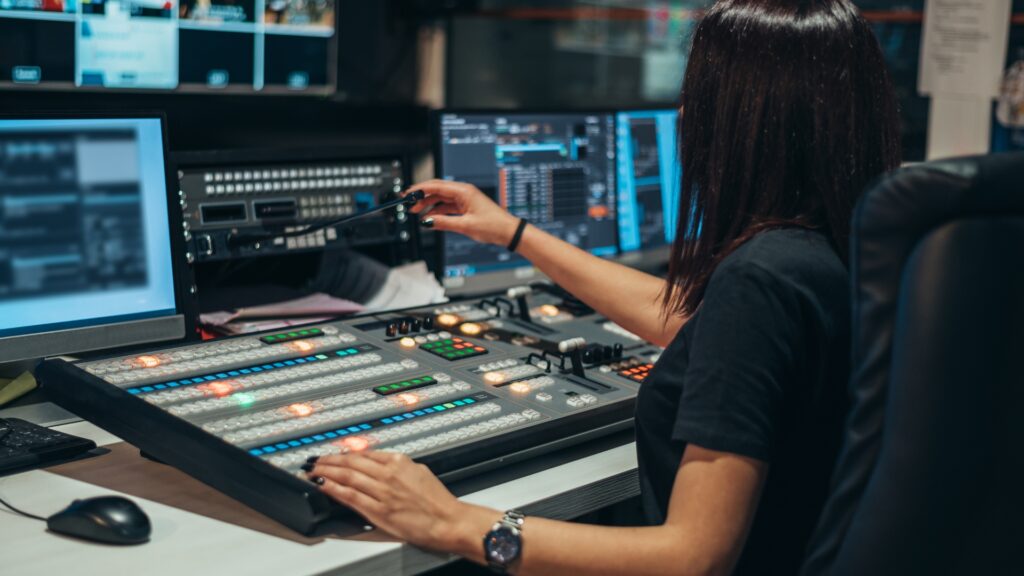
Broadcast playout is the operational centre of professional channel delivery. It connects content, scheduling, automation, branding, monitoring and distribution into one controlled output. For broadcasters, governments, telecoms companies and digital media operators, the goal is not only to play video. The goal is to maintain a dependable channel service across live, linear, satellite, terrestrial and online platforms.
Experienced planning helps media organisations avoid weak integration, poor monitoring, storage problems, file errors and unreliable handoff into distribution networks. AUCOM’s wider broadcast and telecom solutions cover the surrounding infrastructure that professional playout depends on, including broadcast systems, DTH, DTT, OTT/IPTV, integration and support. For modern media networks across Africa, this makes broadcast playout a strategic part of reliable channel delivery, not a back-office technical detail.
For further technical reading, see the EBU report on Automation: Applications, Techniques and Technologies, which discusses automation, monitoring, cloud services and future broadcast architecture.